 Call +6 011-1077 5122
Emergency services
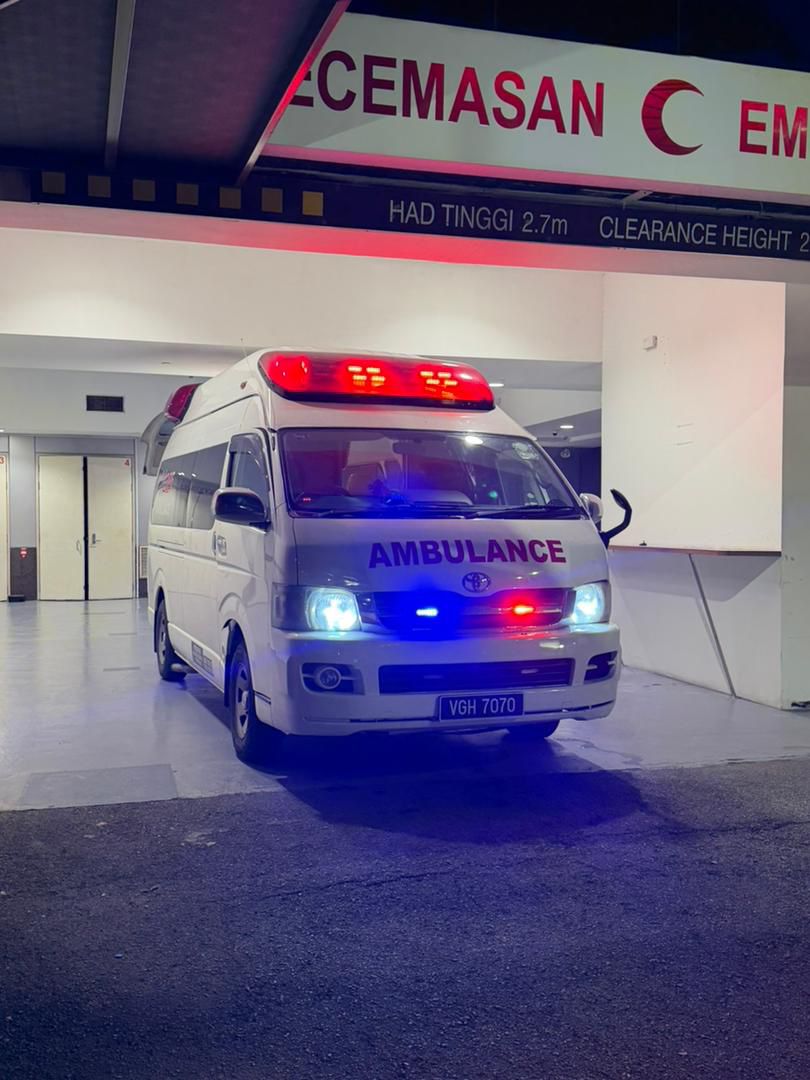
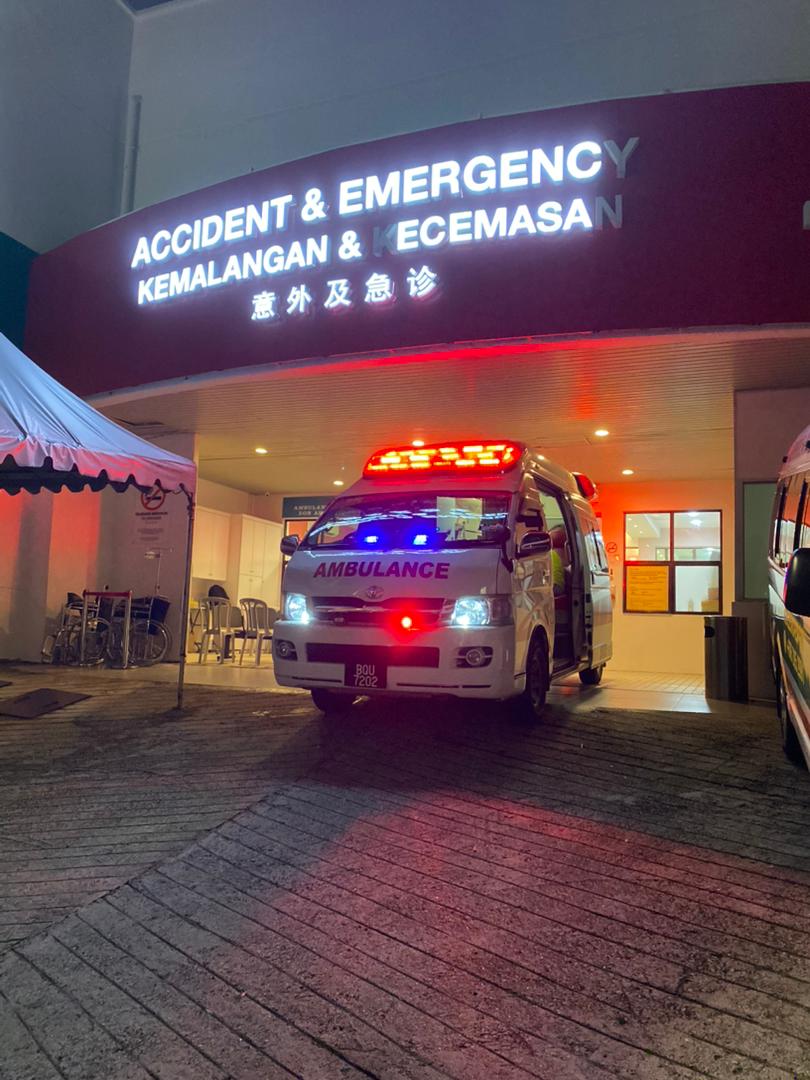
Accidents happen at any time, to anyone. In those moments our emergency ambulance service can make the difference between life and death.
Answered 24 hours a day, every day — including public holidays.
What’s happening?
Open the situation you are dealing with to see what to do while our crew is on the way. If you are unsure, call us — our dispatcher will guide you.
- Stay calm. Protect the person from injury.
- Move nearby dangerous objects away.
- Do NOT restrain the person and do NOT put anything in their mouth.
- Do not give food, drink or medication during the seizure.
- When the seizure stops, place them in the recovery position if breathing normally.
- Note the seizure duration.
- If not breathing normally after the seizure, CALL US IMMEDIATELY — we will guide you through further action or CPR.
- Keep the person sitting upright in a comfortable position.
- Loosen tight clothing.
- Keep the person calm and avoid unnecessary movement.
- Do NOT give food or drink.
- If they become unconscious and are not breathing normally, start CPR.
- Check if the person responds and check breathing.
- If breathing normally: place them in the recovery position and monitor continuously.
- If not breathing normally: start CPR immediately and follow dispatcher instructions.
- Do NOT give food, drink or medication.
- Keep monitoring until the ambulance arrives.
- Help the person sit or lie down safely.
- Do not allow them to walk or drive.
- Check for facial drooping, arm weakness or difficulty speaking — possible stroke.
- Note the time symptoms started / last known well time.
- Do NOT give food, drink or medication if they have difficulty swallowing.
- Monitor their condition until the ambulance arrives.
- Do NOT move the person unnecessarily, especially if there may be a head, neck or spinal injury.
- Keep them still and comfortable.
- Check for severe bleeding and apply firm pressure if safe to do so.
- Do not allow them to stand or walk if they have significant pain, dizziness or weakness.
- Monitor consciousness and breathing.
- If unconscious and not breathing normally, start CPR.
- Keep the patient resting and calm.
- Sit them in a comfortable position.
- Do not let them walk around.
- Ask about prescribed heart medication.
- Monitor breathing and consciousness.
- If they become unresponsive and are not breathing normally, start CPR.
- Apply firm, continuous pressure directly to the wound using cloth or gauze.
- Do not repeatedly remove the dressing to check.
- If blood soaks through, add more material on top.
- Keep the patient lying down and warm.
- Sit them upright and keep them calm.
- Assist with their prescribed reliever inhaler.
- Do not leave them alone.
- If breathing deteriorates or they become exhausted or unresponsive, prepare for CPR.
Who comes when you call
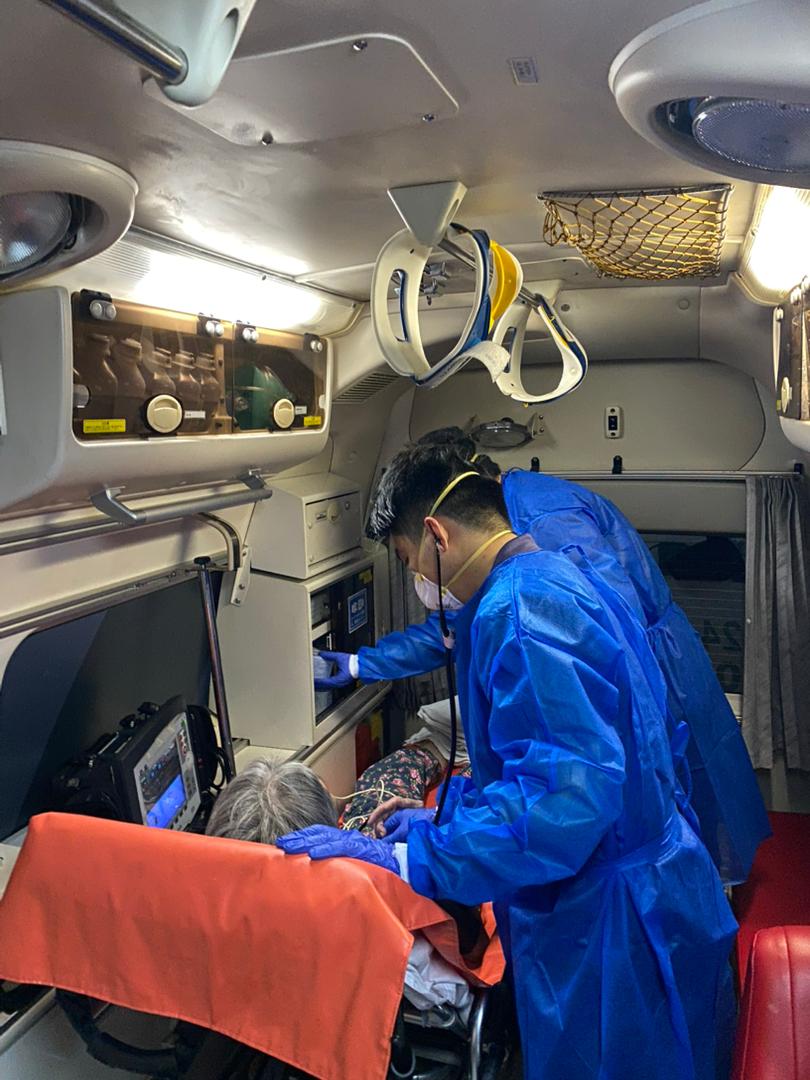
Our pre-hospital care and emergency ambulance team consists of highly skilled professionals, including Registered Nurses and Medical Assistants, with the expertise to handle a wide range of emergencies — from medical cases such as chest pain, loss of consciousness and shortness of breath, to trauma such as falls, cuts and bleeding.
We believe in a proactive approach to care. Well-trained staff and advanced equipment let us deliver immediate, effective intervention — which is critical to positive patient outcomes.
What’s on board
Our ambulances carry advanced life support equipment, including the Corpuls 3 patient monitor. It lets our medical staff perform 12-lead ECGs and detect cardiac problems early, in a pre-hospital setting, so treatment can start sooner.
Need an ambulance now?
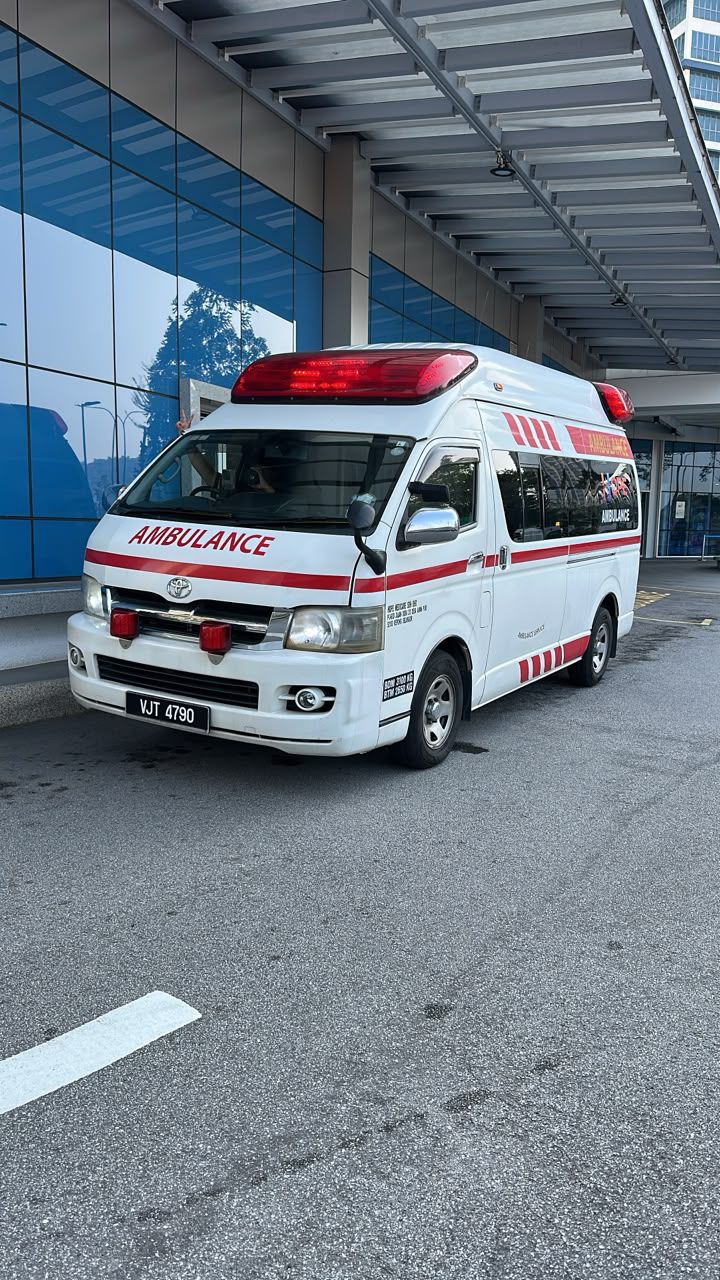
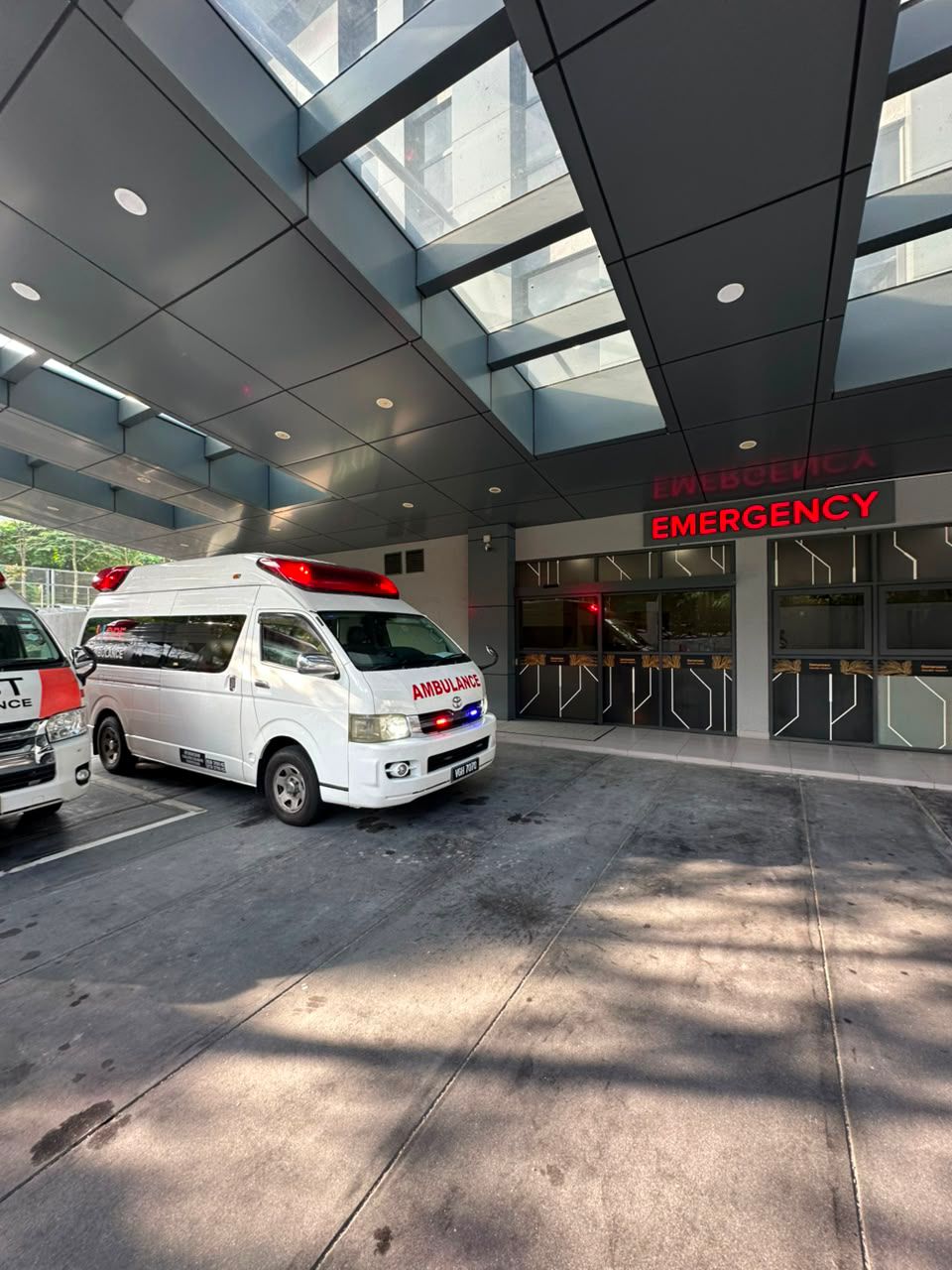
In an emergency you can rely on Hope Medicare for prompt, reliable and compassionate ambulance care.
Emergency hotline +6 011-1077 5122 · hopemedicare.my@gmail.com · © Hope Medicare Sdn. Bhd.